🌎 Discover Bihar's Heartland

Explore the Magic of
Balia, Bihar

Step into the land that gave India its first freedom fighter — the legendary Mangal Pandey. Balia captivates with sacred ghats, the soul-stirring Chhath Puja, pristine wetlands alive with migratory birds, and centuries of living culture waiting to be explored.

40+
Attractions
2,300+
Years of History
3.5M
Residents
1857
Freedom Legacy
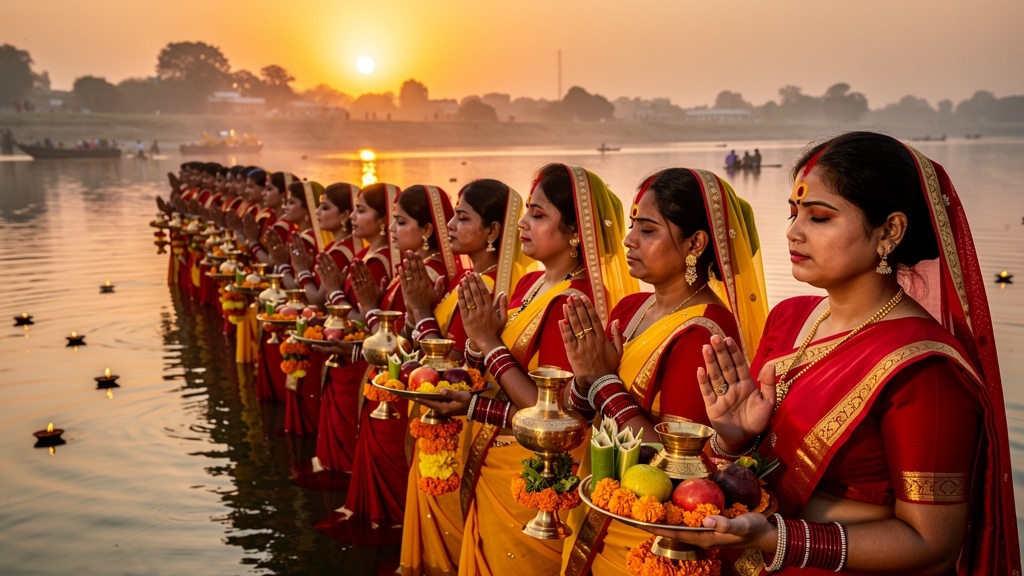
Chhath Puja festival devotees on the banks of Saryu river in Balia Bihar
🏭 About Balia

Where History Meets Sacred Devotion

Nestled at the eastern tip of Uttar Pradesh on the confluence of the mighty Ganga and Saryu rivers, Balia is one of India's most historically significant and culturally vibrant districts. Known colloquially as "Baghi Balia" (Rebel Balia), this town's soil was the first in colonial India to be watered by the blood of revolution — when Mangal Pandey, a sepoy of the 34th Bengal Infantry, fired the opening shot of the 1857 uprising.

But Balia is far more than its revolutionary past. Every year, millions of pilgrims converge on its riverside ghats to participate in the Chhath Puja — one of the oldest and most revered sun-worship festivals in the Hindu calendar. The sight of thousands of devotees standing waist-deep in the Saryu river at sunrise, holding brass vessels aloft in offering, is a scene of breathtaking spiritual magnitude.

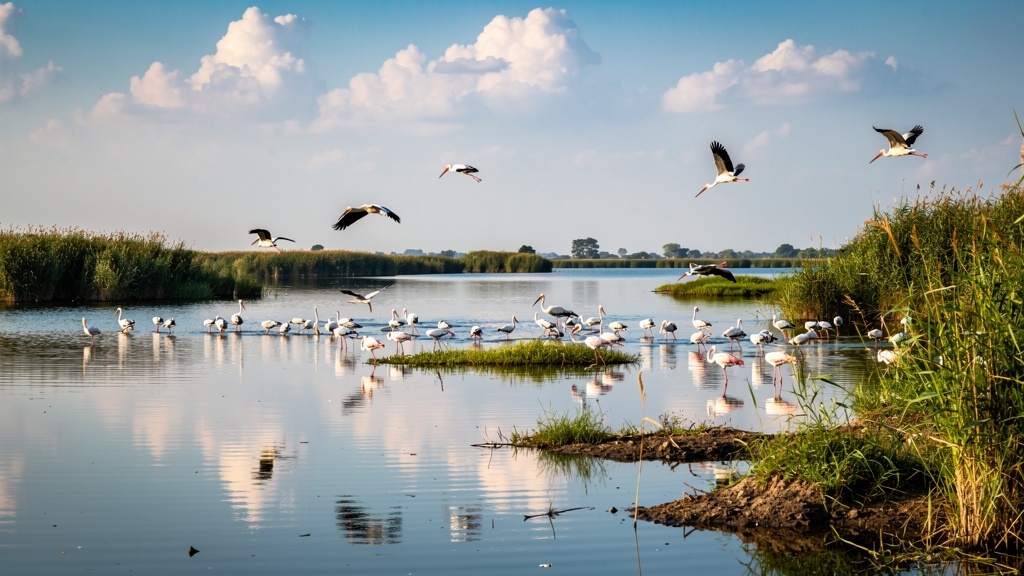
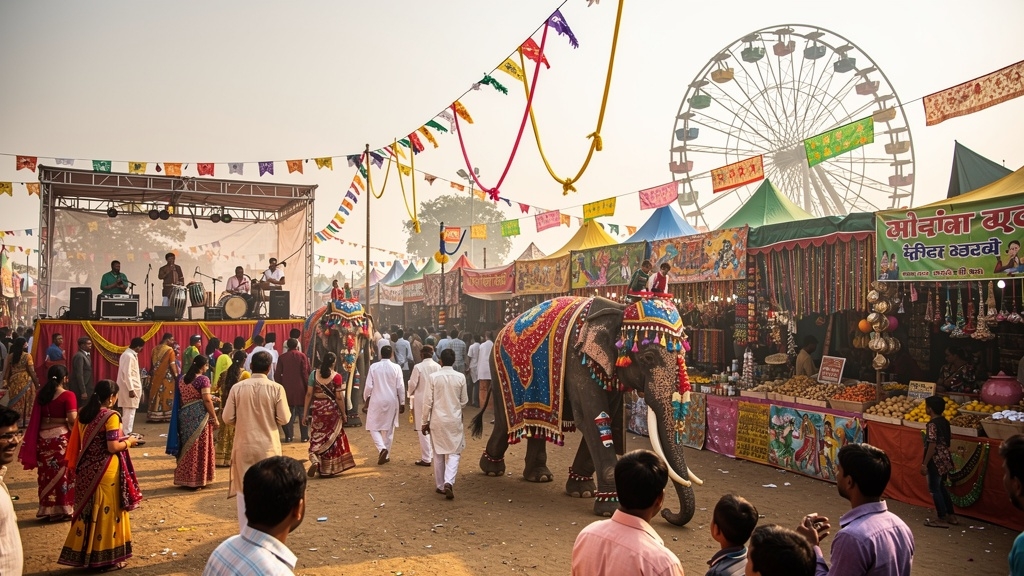
The district is also home to the magnificent Surha Tal wetlands, a nationally protected bird sanctuary hosting over 130 species of resident and migratory birds. Its ancient fairs, particularly the Dadri Mela, attract hundreds of thousands of visitors and rank among the largest rural fairs in northern India.

  • Birthplace of freedom fighter Mangal Pandey (1827–1857)
  • Sacred confluence of Ganga and Saryu rivers
  • Surha Tal — a Ramsar-listed wetland bird sanctuary
  • The grand annual Dadri Mela and Kartik Mela
  • Rich tradition of Bhojpuri folk music and dance
Discover All Attractions
✨ Why Visit Balia

Six Compelling Reasons to Visit Balia

From ancient history to spectacular natural beauty, Balia offers a richly layered experience that rewards every kind of traveller — from the devout pilgrim to the curious historian, the birdwatcher to the food adventurer.

🏭

Revolutionary History

Walk the very ground where Mangal Pandey ignited India's first war of independence in 1857. Balia's monuments, parks, and museums preserve this extraordinary legacy with pride.

🌙

Chhath Puja Spectacle

Witness the most profound sun-worship festival of the subcontinent. The river ghats of Balia during Chhath are among the most visually stunning and spiritually moving sights in all of India.

🐦

Bird Watching Paradise

Surha Tal hosts flamingos, painted storks, sarus cranes, and over 130 bird species. One of Bihar's finest wetland ecosystems and a must-visit for wildlife lovers.

🏛

Ancient Temples & Ghats

Explore centuries-old temples dedicated to Durga, Shiva, Hanuman, and the sun god Surya. The riverside ghats at dawn offer a serene window into daily spiritual life.

🍕

Authentic Bihari Cuisine

Savour legendary dishes like litti-chokha, sattu paratha, thekua, and aloo chura. Balia's street food scene is an honest and flavourful celebration of the Bhojpuri table.

🎉

Vibrant Fairs & Festivals

The Dadri Mela, Kartik Mela, and Shravani Mela are massive annual celebrations that bring together artisans, performers, traders, and pilgrims from across the region.

🏝 Top Places

Must-Visit Attractions in Balia

Whether you seek temples steeped in mythology, shimmering wetlands alive with birds, or fairs that pulse with the heartbeat of rural India — Balia has it all.

Surha Tal bird sanctuary wetland lake with migratory birds in Balia Bihar
Nature & Wildlife

Surha Tal Bird Sanctuary

Spread across 34 sq km, Surha Tal is a shallow perennial lake of enormous ecological importance. Every winter, vast flocks of migratory birds — painted storks, bar-headed geese, greater flamingos — descend upon its reed-fringed shores, making it a paradise for birdwatchers and photographers.

Dadri Mela traditional Indian fair with colourful stalls in Balia Bihar
Culture & Festivals

Dadri Mela – The Grand Fair

Held every year on the banks of the Ganges, the Dadri Mela is one of northern India's largest and most celebrated cultural and cattle fairs. Spanning several days around the Kartik Purnima full moon, it draws hundreds of thousands of pilgrims, traders, and festivity-seekers from Bihar and UP.

🏛
History

Mangal Pandey Park, Nagwa

The ancestral village of Mangal Pandey — Nagwa — lies just 11 km from Balia town. A well-maintained memorial park marks his birthplace, featuring a dramatic bronze statue, an interpretive museum, and landscaped gardens. It is a pilgrimage site for every patriotic Indian and history enthusiast.

Chhath Puja celebration at river ghat in Balia Bihar with devotees offering prayers to the sun
🌙 Sacred Festivals

Chhath Puja — Bihar's Most Beloved Festival

No celebration defines the spirit of Balia — and indeed all of Bihar — more profoundly than Chhath Puja. Observed twice a year (Chaitra and Kartik), this four-day festival of sun worship draws devotees by the millions to the riverbanks of the Saryu and Ganga. The festival is remarkable for its absence of idol worship and its deep ecological sensibility: offerings of fruits, sugarcane, and thekua sweets are made directly to the rising and setting sun.

The most spectacular moment — Sandhya Arghya (evening offering) and Usha Arghya (dawn offering) — sees rivers transformed into a sea of oil-lamp flames, saffron marigolds, and the collective voices of thousands chanting ancient Vedic hymns. The atmosphere is at once intimate and cosmic.

For visitors, attending Chhath Puja in Balia is a life-changing cultural immersion. The best ghats are along the Saryu river bank near the town centre and the smaller rivulets that feed into the district rivers.

Festival Calendar
📚 History & Heritage

Balia: The Rebel District of India

Few places in India carry their history with the same fierce pride as Balia. From its Vedic-era origins to the first spark of the 1857 uprising, and from the Quit India Movement to post-independence development — Balia's story is India's story.

Ancient Era

Vedic and Puranic Roots

Balia finds mention in the Puranas under the name Vayupur or Vayu Kshetra (Land of Vayu, the wind god). The region lay along ancient trade and pilgrimage routes connecting the Gangetic plain with the foothills of Nepal. Archaeological excavations near the Saryu floodplain have unearthed terracotta figurines, copper implements, and pottery shards consistent with late Vedic and early iron-age settlements dating back more than 2,500 years.

The confluence of the Ganga and Saryu rivers near Balia has been considered sacred since time immemorial. Pilgrims bathing here believe they accrue the same spiritual merit as at Ayodhya itself, as the same sacred Saryu river flows through both cities, imbuing every ghat in Balia with deep mythological resonance and continued religious significance.

1857 Uprising

Mangal Pandey & The First Revolt

On 29 March 1857, Mangal Pandey — a native of Nagwa village in Balia — became the first Indian soldier to openly defy British imperial authority, firing upon his officers at the Barrackpore cantonment near Calcutta. His act of defiance triggered the First War of Indian Independence that swept across the subcontinent that same year.

Mangal Pandey was captured, court-martialled, and hanged by the British on 8 April 1857, but his courage ignited a flame that would burn for another 90 years until India's final independence. The Government of India posthumously honoured him with a postage stamp in 1984. Today, his ancestral village Nagwa is a mandatory stop for every visitor to Balia.

Quit India 1942

Balia's Second Revolution

Balia repeated its revolutionary credentials in August 1942 during the Quit India Movement. On 19 August 1942, the people of Balia briefly succeeded in overthrowing British rule and established India's first parallel independent government — a Swarajya Sarkar (Self-Rule Government) — for an extraordinary ten days before British forces reestablished control.

This remarkable episode earned Balia the proud title "Baghi Balia" (Rebel Balia), a name its residents still wear with enormous pride. The story is taught in local schools and commemorated with annual cultural programmes that draw historians from across India each year.

🌎 Geography & Quick Facts

Know Balia at a Glance

ParameterDetails
Official NameBallia District (also spelled Balia)
StateUttar Pradesh (bordering Bihar)
DivisionAzamgarh Division
District HQBalia City
Area3,349 sq km
Population~3.5 million (Census 2011)
LanguagesBhojpuri (primary), Hindi
RiversGanga (north), Saryu/Ghaghra (north-west), Tons (south)
Famous ForMangal Pandey, Chhath Puja, Dadri Mela, Surha Tal
Nearest AirportVaranasi (Lal Bahadur Shastri Airport) — ~130 km
PIN Code277001 (Balia City)
Best Time to VisitOctober – March
🍕 Culture & Cuisine

The Flavours and Folk Traditions of Balia

Balia's cultural identity is inseparable from the Bhojpuri language and its rich oral traditions. Music, dance, food, and storytelling weave together an everyday tapestry that delights every visitor.

🍕 Local Cuisine

Savour the Flavours of Bhojpur

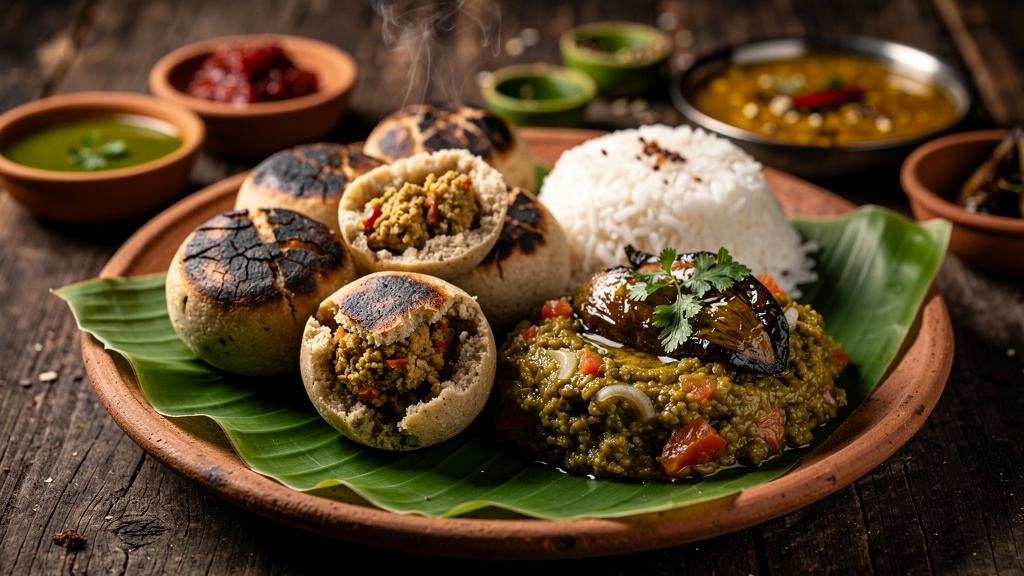
The cuisine of Balia is the cuisine of the Bhojpuri heartland — robust, earthy, and deeply satisfying. The undisputed king of the local table is Litti-Chokha: round wheat-flour balls stuffed with sattu (roasted gram flour), herbs, and spices, baked directly over coals until the outside is charmingly charred. They are served alongside chokha — a smoky mash of roasted brinjal or tomato, tempered with mustard oil, garlic, and fresh green chillies.

Breakfast in Balia means Sattu Paratha — flatbread stuffed with roasted gram flour, pan-fried in ghee and eaten with raw onion, green mango pickle, and fresh green chilli. For sweets, look out for Thekua — the sacred festival cookie of Chhath Puja, made of whole-wheat flour, jaggery, fennel seeds, and coconut, deep-fried in pure ghee. Also notable are Malpua sweet pancakes and Khaja — the flaky layered pastry offered at many local temples.

  • Litti Chokha — the signature dish of Bihar
  • Sattu Paratha — high-protein breakfast staple
  • Thekua — sacred Chhath Puja sweet
  • Pittha — steamed rice-flour dumplings
  • Chura-Dahi — flattened rice with yoghurt
Traditional Bihari cuisine litti chokha meal served on banana leaf
🎵 Bhojpuri Culture

Folk Music, Theatre & Crafts

"Balia is the soul of Bhojpuri music. Every festival, every harvest, every birth and wedding — it all speaks through song here."

🎵
Bhojpuri Folk Music
Living oral tradition of Balia district

"The jhumar dance performed during Chhath Puja by women returning from the river is one of the most beautiful spontaneous expressions of joy I have ever witnessed anywhere in the world."

💃
Cultural Observer
Travel writer, visiting Balia during Kartik Chhath

"The local weavers of Balia produce some of the finest cotton gamchha cloth in all of eastern UP — durable, colourful, and beautifully hand-loomed."

🧵
Handicraft Tradition
Weaving & textile heritage of Balia

Ready to Explore Balia?

Whether you are planning a cultural pilgrimage, a nature escape to Surha Tal, or simply craving the warmth of authentic Bihari hospitality — Balia welcomes you with open arms. Use our comprehensive travel guide to plan the perfect trip.

✈ Travel Guide 🏝 All Attractions
❓ FAQ

Frequently Asked Questions About Balia

Balia (officially spelled Ballia) is a district of Uttar Pradesh, located at its easternmost tip, sharing a long border with Bihar. Culturally, geographically, and linguistically, Balia is deeply intertwined with the Bihar-UP border region. The people speak Bhojpuri, observe Bihar's Chhath Puja with equal fervour, and the district is often referenced alongside Bihar in travel and cultural contexts. For all practical traveller purposes, it forms part of the Bihar-border heritage trail.
The ideal period is October to March. Winters (November–February) offer pleasant weather (10–25°C) and coincide with Chhath Puja (October/November), the Dadri Mela (November), and peak birdwatching season at Surha Tal. Summers (April–June) are intensely hot (up to 45°C) and best avoided. The monsoon (July–September) brings relief but flooding near river areas can disrupt travel plans.
From Varanasi: Balia is about 130 km away. Direct trains operate on the Varanasi–Balia rail line (approx. 3–4 hours). By road via NH19, it takes 2.5–3 hours. From Patna: The journey is approximately 200 km. The most convenient option is the train from Patna Junction to Balia (several daily expresses, 4–5 hours). By road via Ara–Buxar–Balia, the drive takes 4–5 hours. See our Travel Guide for detailed routes.
Chhath Puja is a four-day Hindu festival dedicated to the sun god (Surya) and his wife Chhathi Maiya. It is observed in October or November (Kartik Chhath). A smaller Chaiti Chhath occurs in March/April. Devotees fast for 36 hours, bathe in rivers, and make offerings to the rising and setting sun while standing in the water. Balia's riverside ghats during Chhath are among the most spectacular in the entire Indo-Gangetic plain.
Balia town offers a range of budget to mid-range hotels and guest houses. The main hotel cluster is around the railway station and the central market area. There are no five-star properties currently, but modern, clean, and comfortable accommodation is readily available. During festival seasons (Chhath, Dadri Mela), booking well in advance is strongly recommended. See our Accommodation Guide for current options.